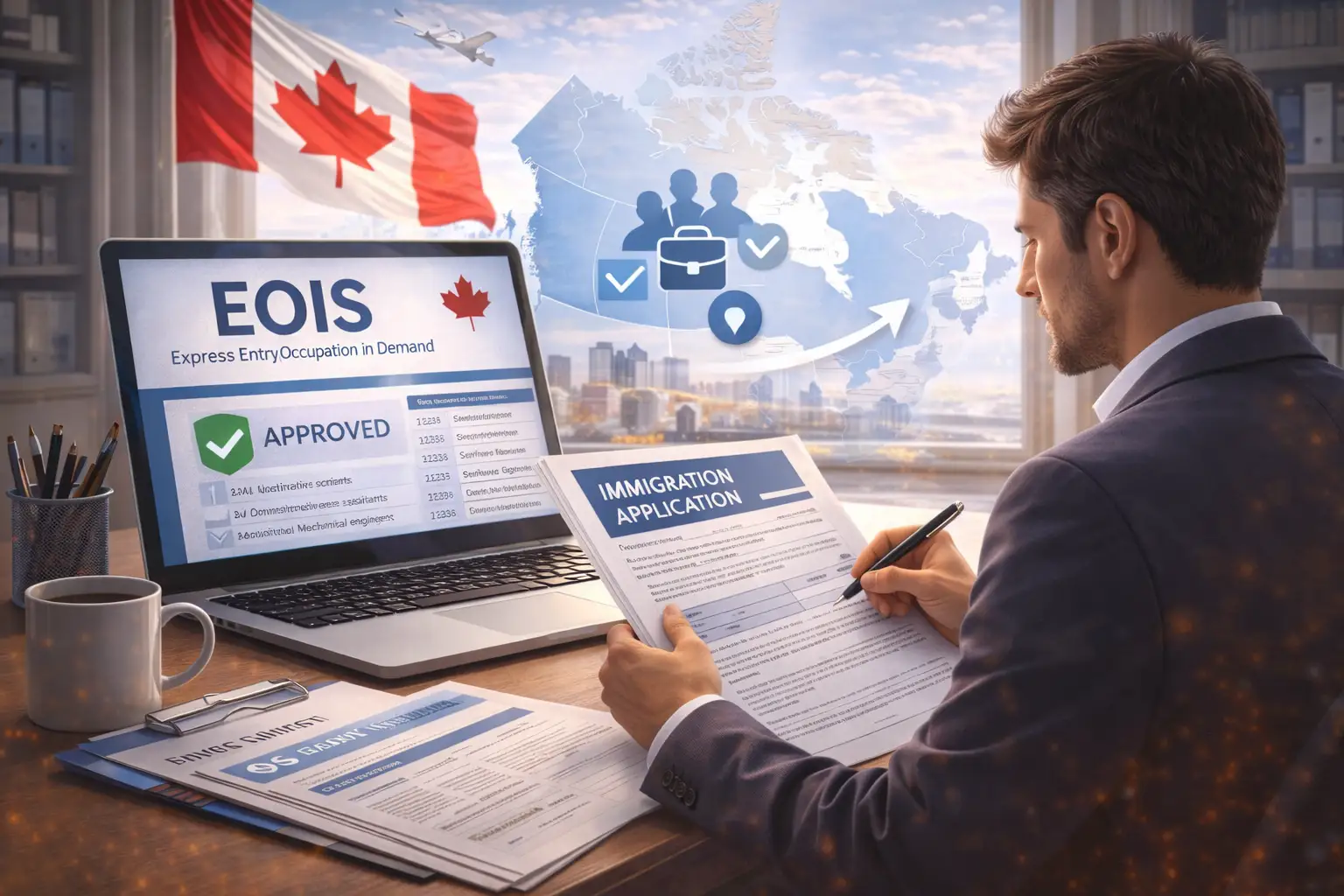
You arrived in Canada legally. And you followed the rules. Also, you studied, worked, or visited with genuine intentions. However, your temporary status now has an expiry date, and with it comes a very real fear: “What happens if I don’t figure out permanent residency in time?”
This is one of the most common and emotionally charged concerns among international students, foreign workers, and even long-term visitors in Canada.
The uncertainty, constant checking of expiry dates, policy updates, and conflicting advice online can feel overwhelming. Many people assume that the TR to PR pathway must be a simple “conversion” process but Canadian immigration doesn’t work that way.
The good news? Canada does allow temporary residents to become permanent residents legally, transparently, and through multiple structured pathways. This guide breaks down every legal and recognized way to move from temporary resident (TR) status to permanent resident (PR) in Canada, with official references and practical explanations—so you can make informed decisions with confidence.
Can You Convert a Temporary Visa to PR in Canada?
The short answer: Yes, but not automatically.
Many people misunderstand the idea of “converting a temporary visa.” There is no simple form that changes a study or work visa into PR. Instead, applicants must use one of several immigration pathways to apply for permanent residency while maintaining valid legal status in Canada.
For example:
- In some cases, applications are possible even in Canada when you are holding a temporary visa and are a law-abiding individual.
- In other cases, applicants may need to develop targeted work experience or obtain nomination from the province or meet federal selection criteria.
Historically, in Canada, there was a temporary resident and permanent resident pathway wherein eligible temporary residents could apply for permanent residency directly; however, this specific program closed in 2021 but is still processing applications submitted before closure.
PR Options Available to Foreign Visitors in Canada
The following are some of the most relevant and viable options the temporary residents normally consider and use when entering the country permanently.
Express Entry System (With Focus on Canadian Experience Class)
Express Entry is the main federal system for processing applications for permanent residence for skilled foreign workers. Candidates’ applications are processed through three main streams:
- Canadian Experience Class (CEC): Individuals who have work experience in Canada.
- Federal Skilled Worker (FSW): For qualified workers globally.
- Federal Skilled Trades (FST): For skilled trade workers.
Express Entry is not a “visa conversion” but a selection system that allocates invitations to candidates with competitive profiles (e.g., work experience, language proficiency, education). For many temporary residents, the Canadian Experience Class is the most direct Express Entry route because it recognizes Canadian work experience.
Provincial Nominee Programs (PNPs)
Each Canadian province and territory (except Quebec, which has its own system) operates nominee programs tailored to local economic needs. PNPs allow provinces to nominate candidates, including temporary residents who are likely to contribute to local labour markets.
How PNPs Help Temporary Residents
- Some streams are specifically for international students or workers already living and working in the province.
- Nomination can add 600 points to your Express Entry profile, virtually guaranteeing an ITA.
- Programs vary widely by province (Ontario, British Columbia, Alberta, Saskatchewan, etc.).
Post-Graduation Work Permit (PGWP) to Permanent Residence
For international students, studying in Canada is often a strategic first step, not the final goal. A Post-Graduation Work Permit (PGWP) allows eligible graduates to gain valuable Canadian work experience, which significantly improves eligibility for multiple PR pathways.
A PGWP is an open work permit, meaning graduates can work for almost any employer in Canada. This flexibility allows them to accumulate skilled work experience (NOC TEER 0–3), which is crucial for PR programs such as the Canadian Experience Class and several Provincial Nominee Programs.
From an immigration law perspective, PGWP holders are considered ideal PR candidates because they already:
- Have Canadian education credentials
- Understand workplace culture
- Have proven adaptability to life in Canada
Many applicants move from PGWP → Express Entry (CEC) or PGWP → PNP → PR, which is one of the most reliable tr to pr pathway options currently available.
Atlantic Immigration Program (AIP)
The Atlantic Immigration Program (AIP) is a federally supported, employer-driven PR pathway designed to address labor shortages in Canada’s Atlantic provinces:
- Nova Scotia
- New Brunswick
- Newfoundland and Labrador
- Prince Edward Island
Temporary residents already working in these provinces often qualify faster because AIP does not use a points-based ranking system like Express Entry. Instead, it focuses on:
- A valid job offer from a designated employer
- Relevant work experience or Atlantic education
- Language and settlement readiness
This program is particularly suitable for temporary foreign workers and international graduates. Who are already contributing to smaller regional economies and want long-term stability.
Rural and Northern Immigration Pilot (RNIP)
The Rural and Northern Immigration Pilot (RNIP) is a community-driven pathway that allows smaller Canadian communities to nominate foreign workers for permanent residence.
Temporary residents working in participating communities may be eligible if they:
- Have a genuine job offer from a local employer
- Meet community-specific requirements
- Demonstrate intent to live long-term in that area
- RNIP is aware that not all qualified workers reside in large cities. From a policy perspective, RNIP promotes economic development in rural Canada. Providing temporary visa holders another, less competitive option than Express Entry.
Step-by-Step Process to Move from Temporary Visa to PR
Applying for PR after a temporary visa requires a multi-step approach, not a trick involving paperwork. This is how successful candidates apply the process:
- Preserve Legal Status:Make sure your current immigration status (work permit, study permit, visitors records) is valid until a decision or extension has been made.
- Selecting a Pathway Early: Determining Eligibility for Express Entry, PNP, or other streams based on your background.
- Enhance Your Profile:The key areas to concentrate on are language tests (IELTS/CELPIP), education credential assessment (ECA), and Canadian work experience.
- Submit Profile/Application: Make an online profile for Express Entry and submit profiles to the PNPs.
- Collect Complete Documentation: Receipt of employment letters, transcripts, language test results, identity documents, police certificates.
- Monitoring and Timely Response: Check updates on IRCC, reply to calls for additional information, and track status.
Conclusion
Converting a temporary visa into permanent residence in Canada is not automatic, but it is entirely achievable through legally defined pathways. Success depends on understanding eligibility rules, maintaining lawful status, choosing the right program, and preparing accurate documentation. Canada’s immigration system rewards planning, compliance, and long-term contribution, not shortcuts.